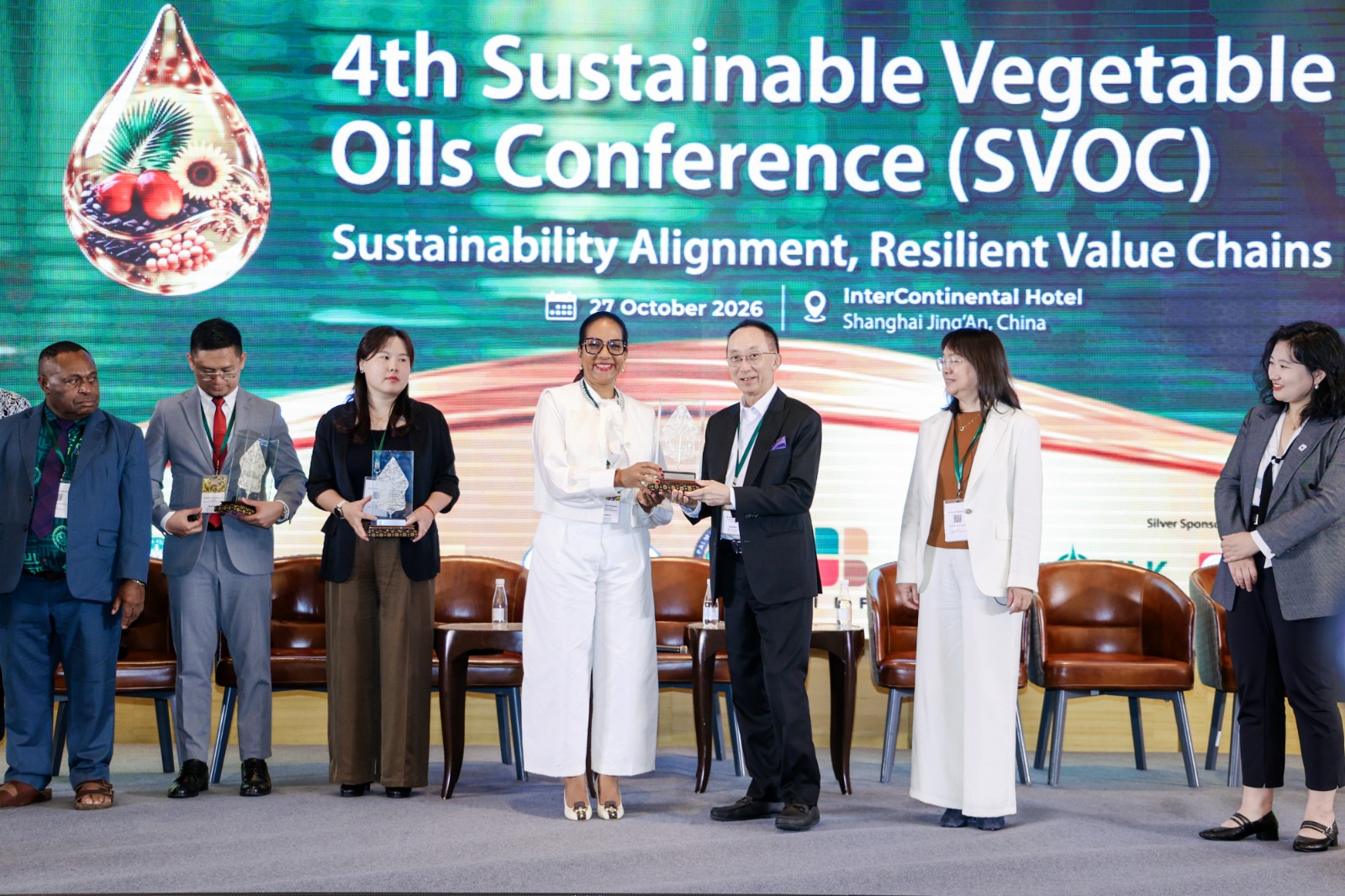
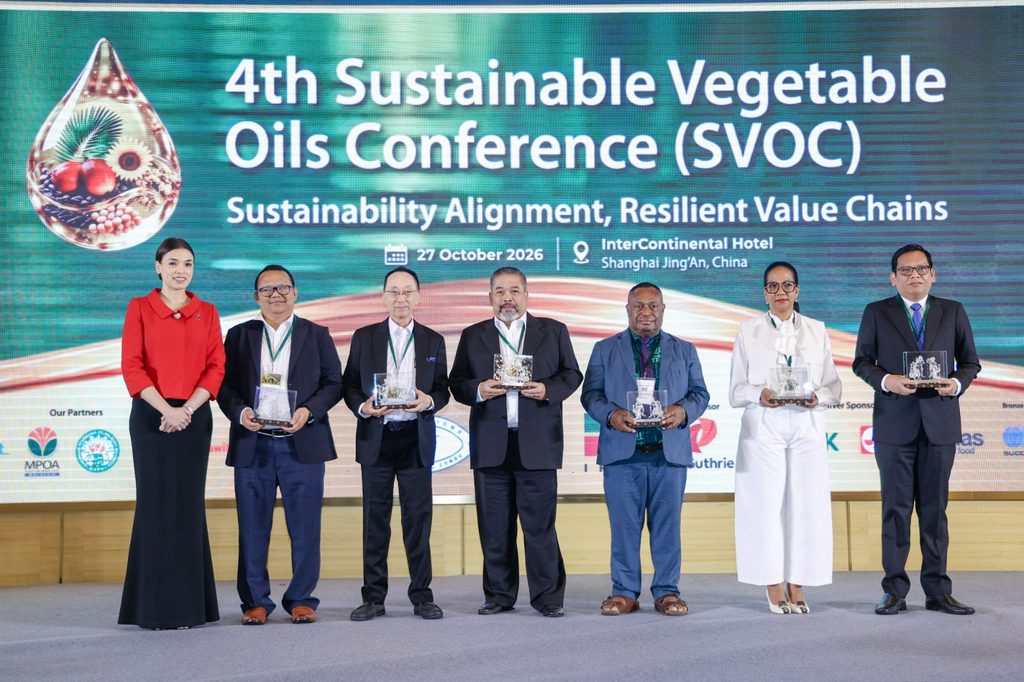
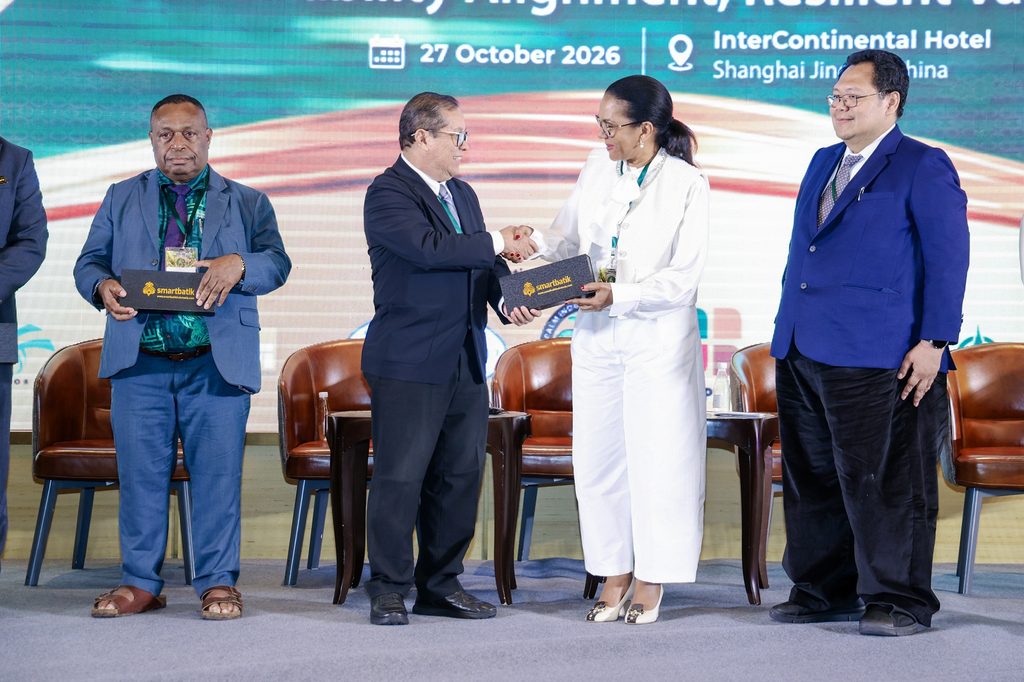
Shanghai, October 27, 2026 — Plantations et Huileries du Congo (PHC), the leading industrial palm oil producer in the Democratic Republic of Congo, took part in the 4th Sustainable Vegetable Oils Conference (SVOC), held in Shanghai, China, under the theme “Sustainability Alignment, Resilient Value Chains”.
Organized by the Council of Palm Oil Producing Countries (CPOPC), of which the DRC has been a member since March 2025, the conference brought together public decision-makers, agro-industry leaders, technical experts, researchers, international organizations and other value chain stakeholders.
PHC took part in this international gathering as Platinum Sponsor, reaffirming its commitment to sustainable palm oil production and to the responsible transformation of vegetable oil value chains.
A space for dialogue on the future of vegetable oils
The SVOC is a platform dedicated to the major issues shaping the future of the sector: sustainability, innovation, value chain resilience and competitiveness.
The 2026 edition highlighted the technological and regulatory shifts reshaping the sector — agricultural technologies, digital traceability, artificial intelligence, evolving sustainability policies and low-carbon solutions, notably sustainable aviation fuels (SAF).
PHC’s participation gave it the opportunity to share the DRC’s experience in these discussions and to contribute to the collective reflection on the conditions for sustainable, responsible and value-creating vegetable oil production.
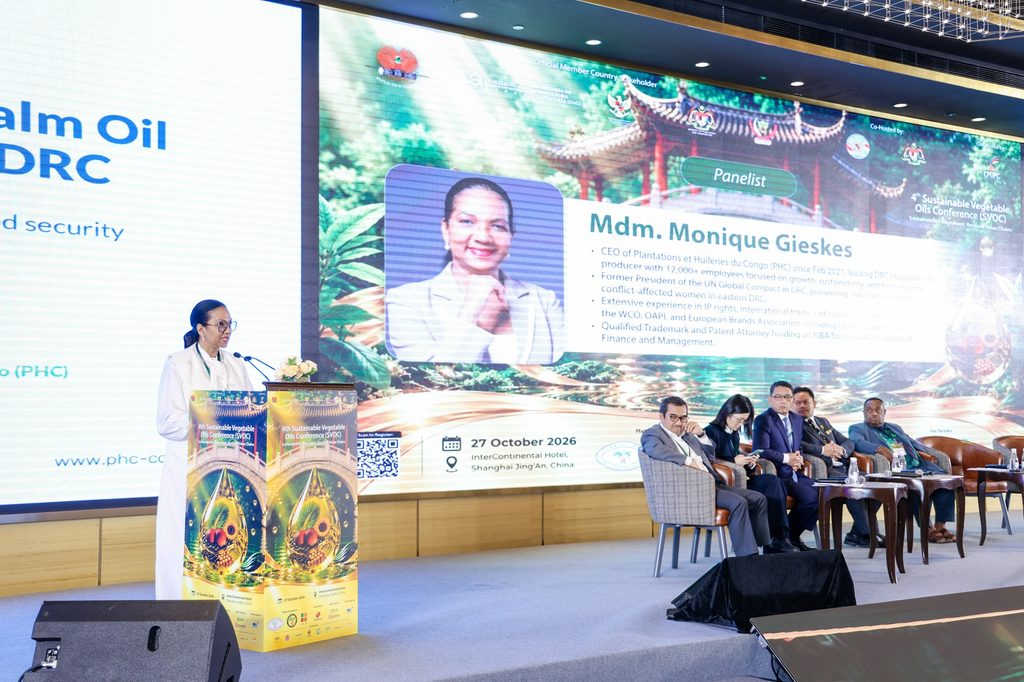
Palm oil production built on a zero-deforestation principle
Sustainability is at the heart of PHC’s development model. The company is committed to producing palm oil, focusing its agricultural activities on land already in use — favoring the rehabilitation of former plantations over the clearing of new areas at the expense of forests.
Of the over 100,000 hectares of concessions managed by PHC, around 30% are dedicated to oil palm plantations; the remaining 70% consists of preserved forests and land used by local communities for their own farming activities. This land management approach allows the company to pursue its production goals while protecting biodiversity and preserving high conservation value zones. The company is also developing sustainable, regenerative agricultural practices, improving soil management and reducing its environmental footprint, notably through greater use of renewable energy and the recovery of industrial by-products.
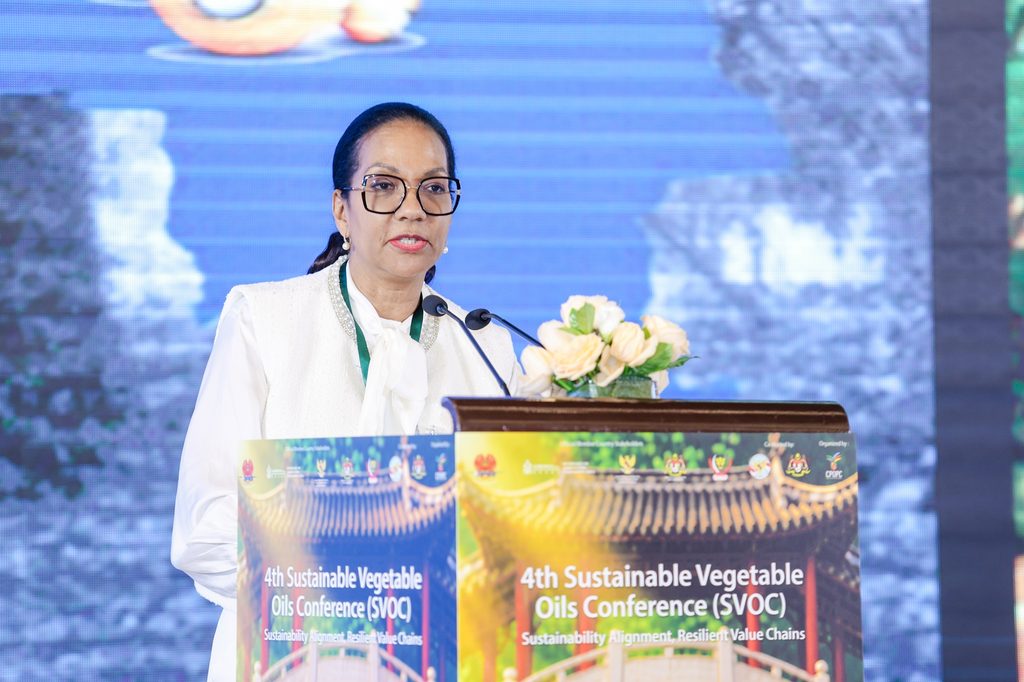
Mrs Monique Gieskes, CEO of PHC, said:
“Of course, this development must be sustainable. The Congo is home to the Congo Basin rainforest, one of the world’s most important ecosystems. Protecting our forests and biodiversity must remain a priority. The future of palm oil production in the Congo must therefore be based on improving yields on existing agricultural land, rehabilitating ageing plantations and adopting better agricultural practices. We must produce more without sacrificing our natural heritage.”
Sustainability in support of local development
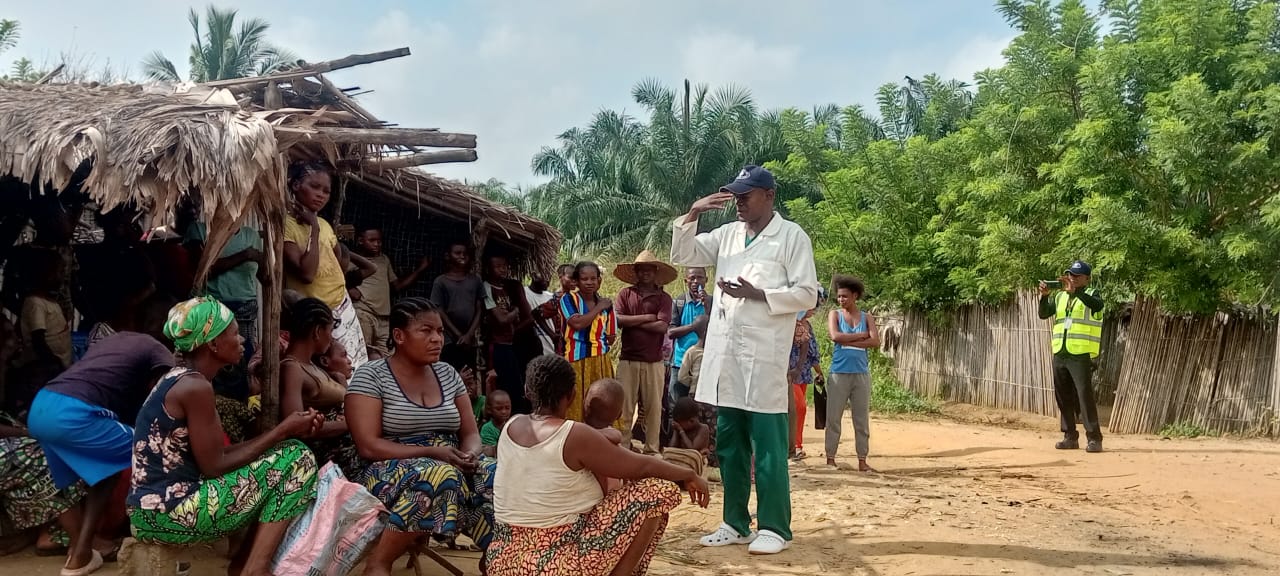
For PHC, sustainability is not limited to environmental protection: it also rests on local economic development, support for producers and improved living conditions for rural communities where the company operates.
Through its “Partner Growers” programme, PHC supports agricultural producers with technical assistance aimed at improving their productivity, the quality of their output and the adoption of sustainable practices.
Through the PHC Foundation, created in 2023 to structure the company’s social initiatives, PHC has helped establish 96 Farmer Producer Organizations (FPOs) in the provinces of Tshopo, Mongala and Équateur. These 96 FPOs now bring together nearly 2,000 members, including 20% whom are women, and benefit from support that includes the provision of seeds, technical assistance and help with marketing their products. This initiative reflects PHC’s commitment to fostering more structured and inclusive agricultural value chains.
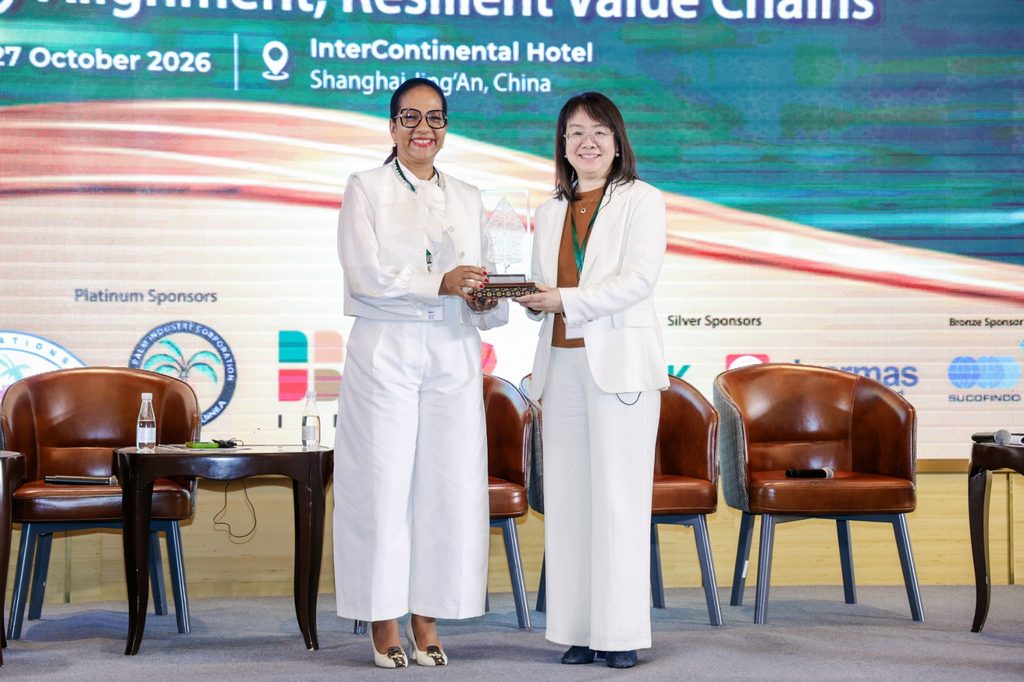
“Training alone is not enough. Farmers also need access to processing facilities and reliable buyers for their harvests. That is why partnerships between smallholders and industrial operators are so important. They can connect farmers to technical expertise, modern mills and established markets. And they can help increase national production while improving rural incomes,” added Ms. Gieskes.
A strengthened commitment within the CPOPC
PHC’s participation in the SVOC is part of a broader effort to strengthen cooperation between the DRC and the CPOPC. As a member of the organization, the DRC is progressively joining discussions among producer countries on sustainability, productivity, value chain development and sector competitiveness.
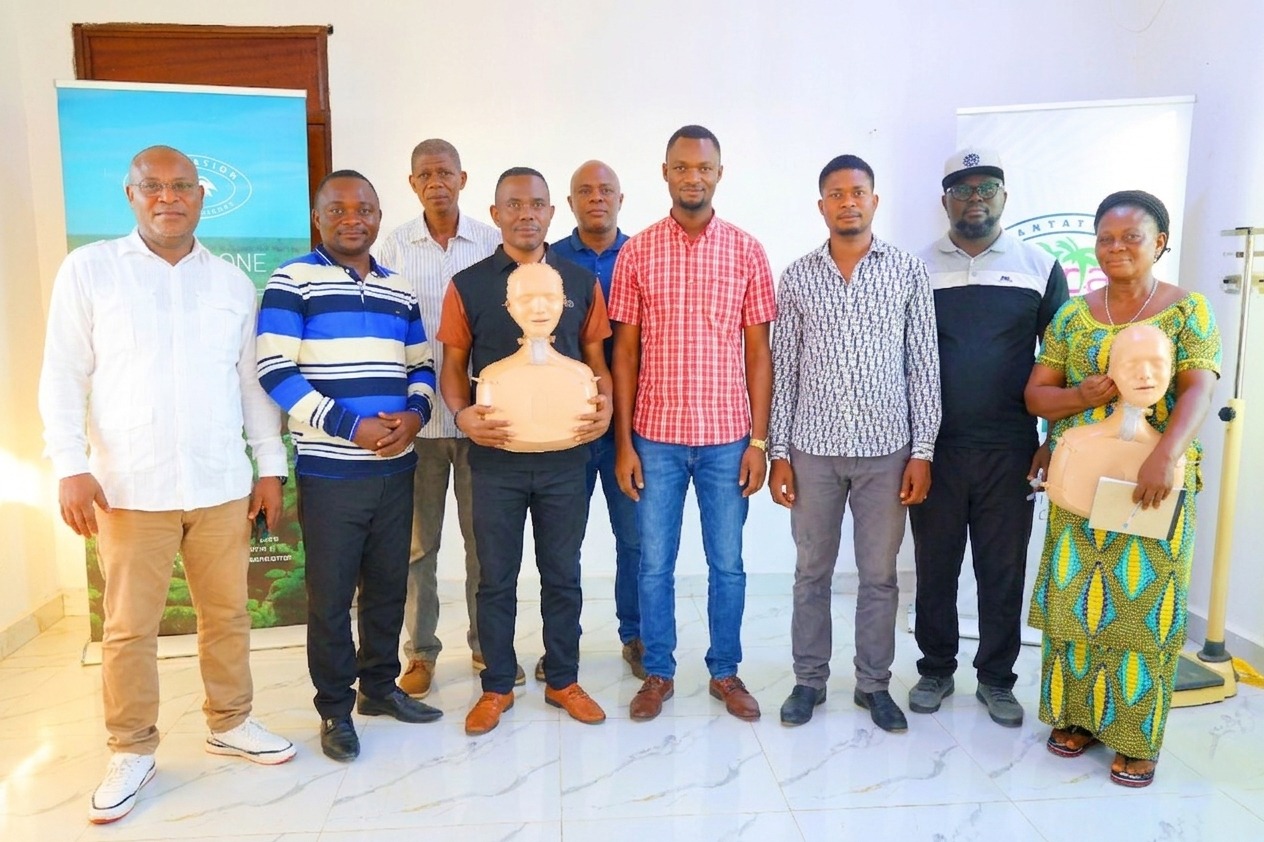
Since the DRC’s official accession to the CPOPC in March 2025, several initiatives have been launched to support the development of a more sustainable and competitive oil palm sector in the country. In October 2025, a Good Agricultural Practices (GAP) training, organized by the CPOPC with PHC’s support, trained fifty smallholder farmers from Mongala and Tshopo over three days — covering plantation preparation and maintenance, fertilization, cultivation and harvesting techniques, and farm management and monitoring. This is one of the first major outcomes of this cooperation.
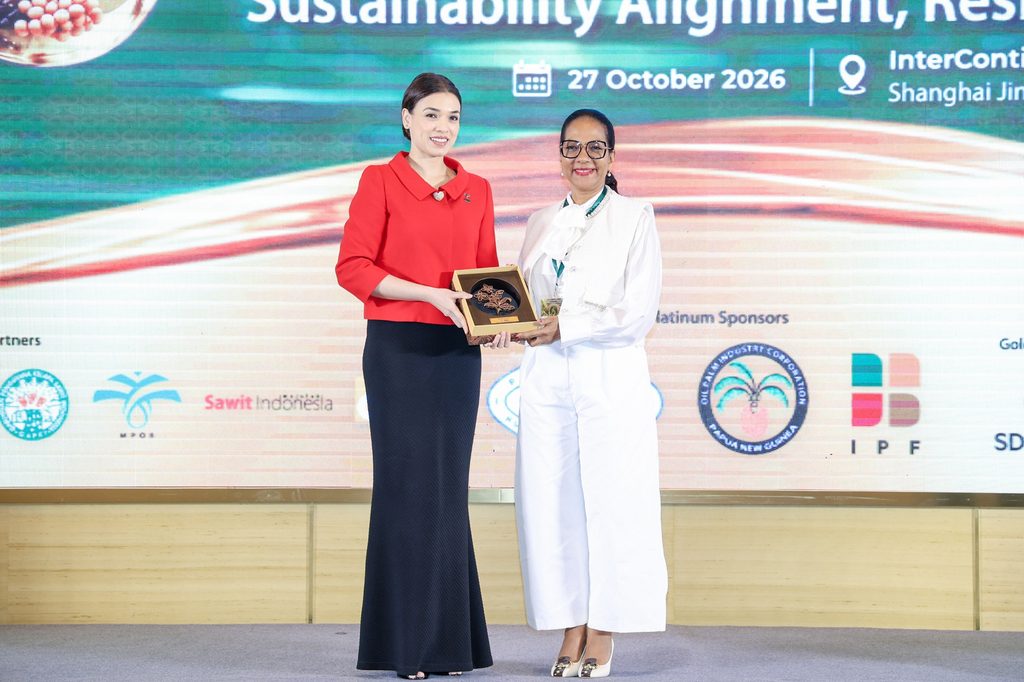
According to CPOPC Secretary General, Ms Izzana Salleh the sector would benefit from closer connections among governments, industry, smallholders, researchers, financial institutions and sustainability organisations.
“A broader network of cooperation can support technology exchange, research partnerships, capacity building and investment in sustainable production. It can also help identify common approaches to emerging challenges, while respecting the distinct characteristics of individual commodities and national development priorities,” she added.
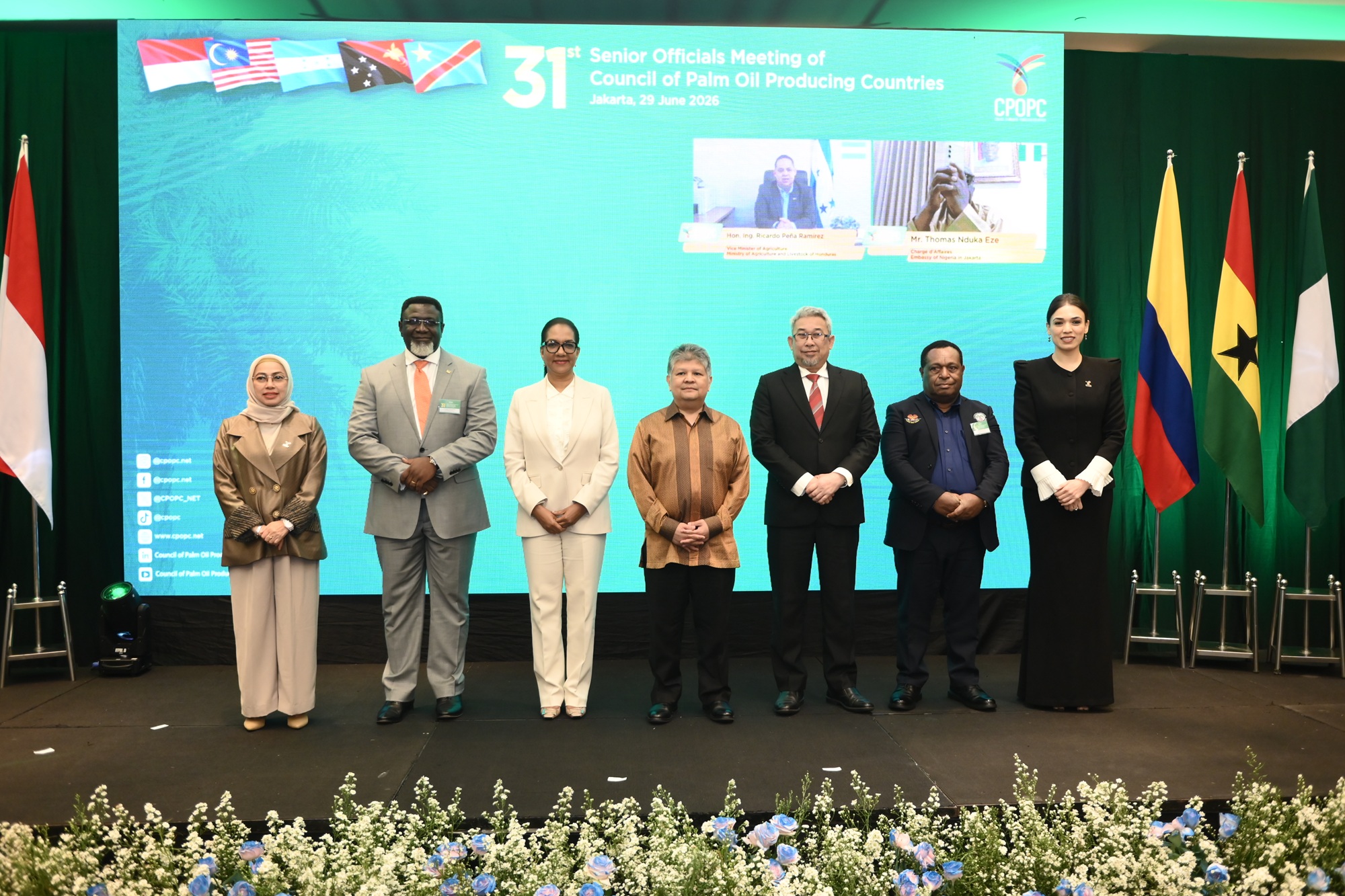
PHC has also continued to take part in the CPOPC’s main international platforms, notably the 30th Senior Officials Meeting in Kuala Lumpur in 2025 and the 31st Senior Officials Meeting in Jakarta in June 2026, helping to advance discussions on a sustainable, inclusive and competitive oil palm sector.
About PHC
Plantations et Huileries du Congo (PHC) is the leading palm oil producer in the Democratic Republic of Congo and the country’s second-largest private sector employer. Founded in 1911, the company operates three industrial sites located in Boteka (Équateur), Yaligimba (Mongala) and Lokutu (Tshopo).
With 12,000 employees, PHC produces palm oil intended entirely for the domestic market and manages close to 100,000 hectares of land, of which around 30% is dedicated to oil palm plantations and 70% is preserved for conservation and for local communities’ farming activities.
Deeply committed to social responsibility and sustainable development, PHC works to preserve forests and biodiversity while developing agricultural practices that sustainably improve productivity and limit its environmental footprint. The company also contributes to the social and economic development of local communities through investments in health, education, access to water, infrastructure and job creation.
Guided by a vision of shared prosperity, PHC works to strengthen food security, local economic development and the preservation of the environment and biodiversity through sustainable and inclusive agricultural practices.
For more information: www.phc-congo.com