In rural areas of the Democratic Republic of Congo, access to quality healthcare and specialized medical training remains a major challenge. In emergency situations, rapid intervention, mastery of first aid procedures, and the ability of medical teams to respond effectively can make the difference between life and death.
It is in this regard that Plantations et Huileries du Congo (PHC) continues to invest in strengthening the skills of its medical personnel to sustainably improve the quality of care within its hospital network located in the Mongala, Tshopo, and Equateur provinces.
Strengthening medical skills to better respond to emergencies
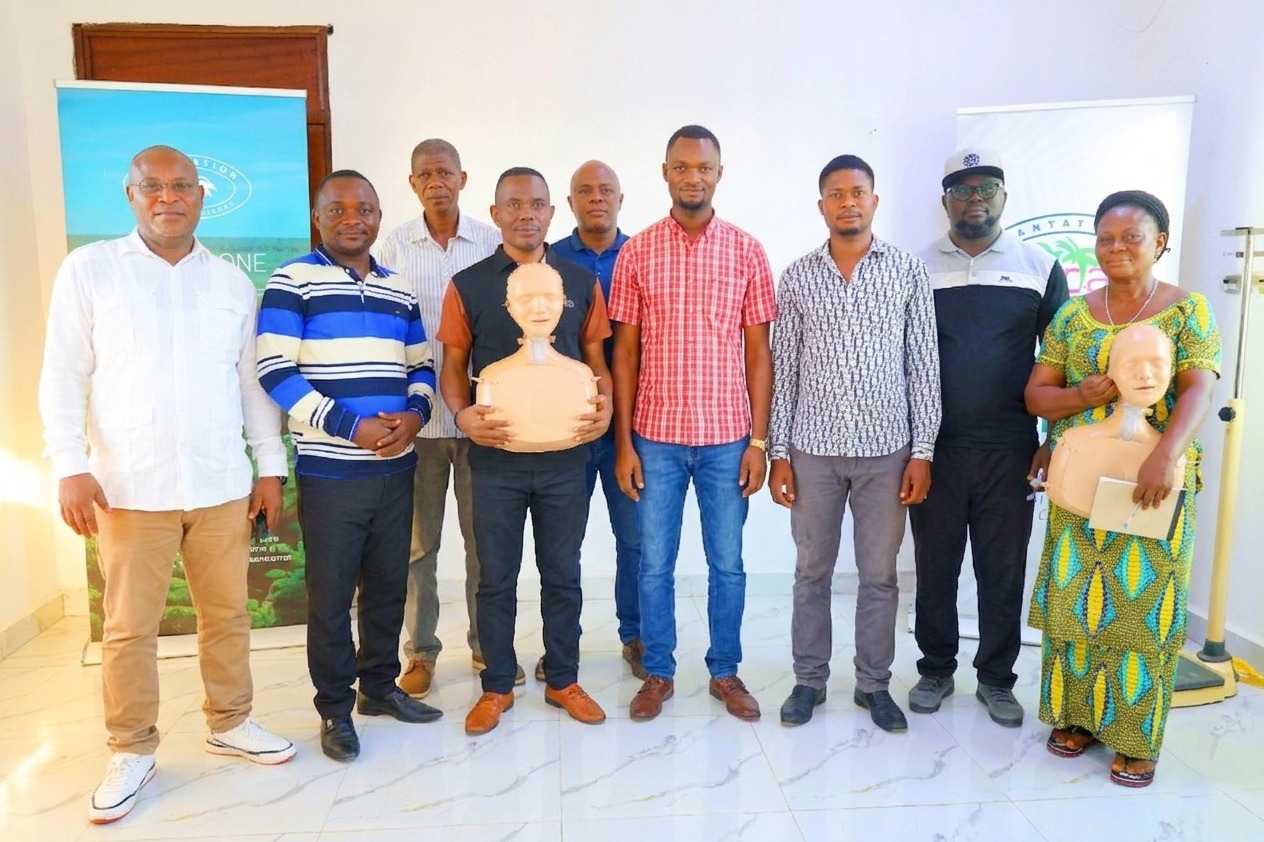
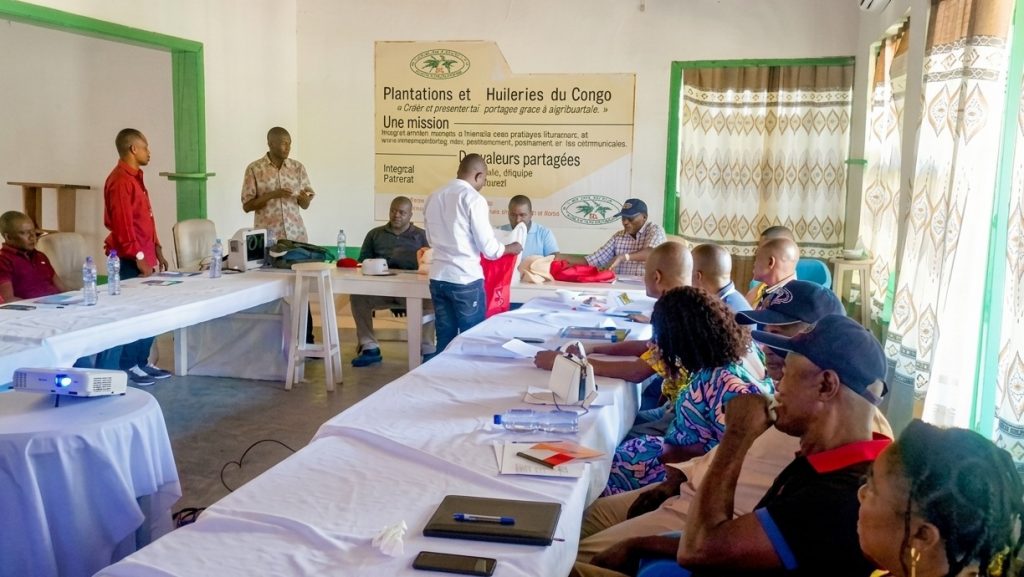
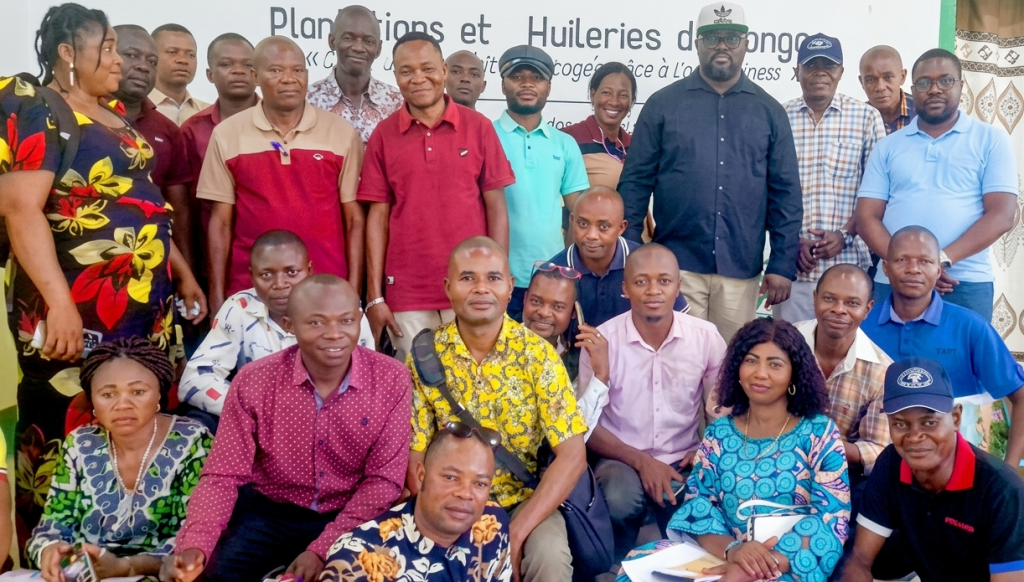
PHC has recently launched a series of training sessions for nurses and doctors working in its hospitals and health centers located in its operational areas in Boteka (Equateur Province), Yaligimba (Mongala Province), Lokutu, and Lokumete (Tshopo Province). The first training session commenced on May 12 in Boteka and will continue across the company’s other sites.
A total of 47 healthcare professionals will benefit from this capacity-building program across all PHC sites.
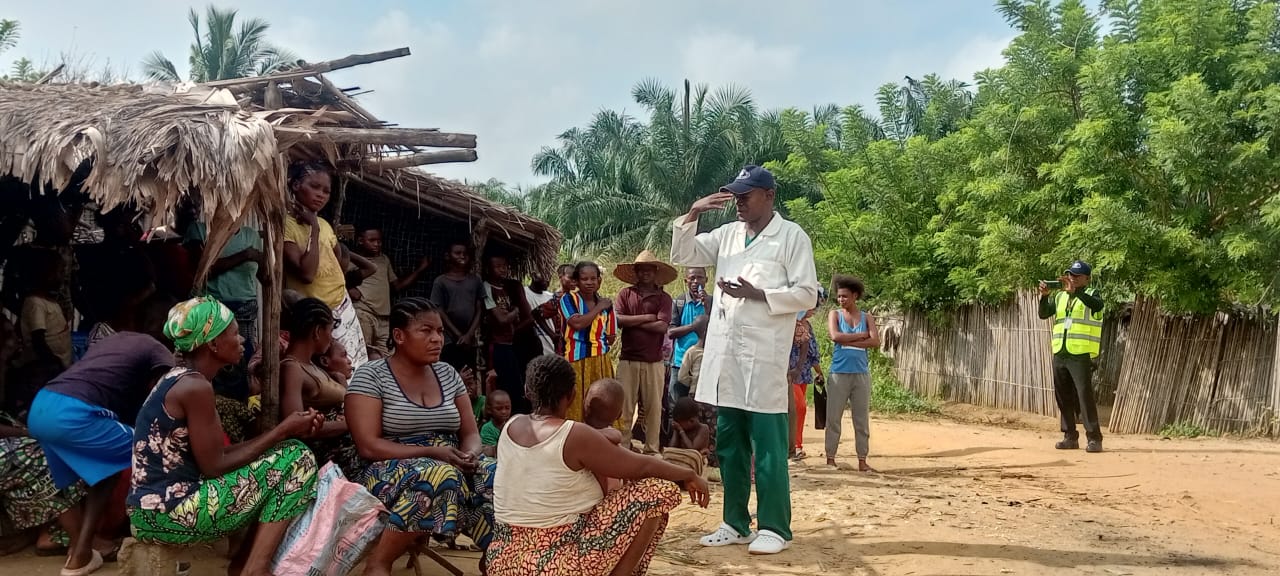
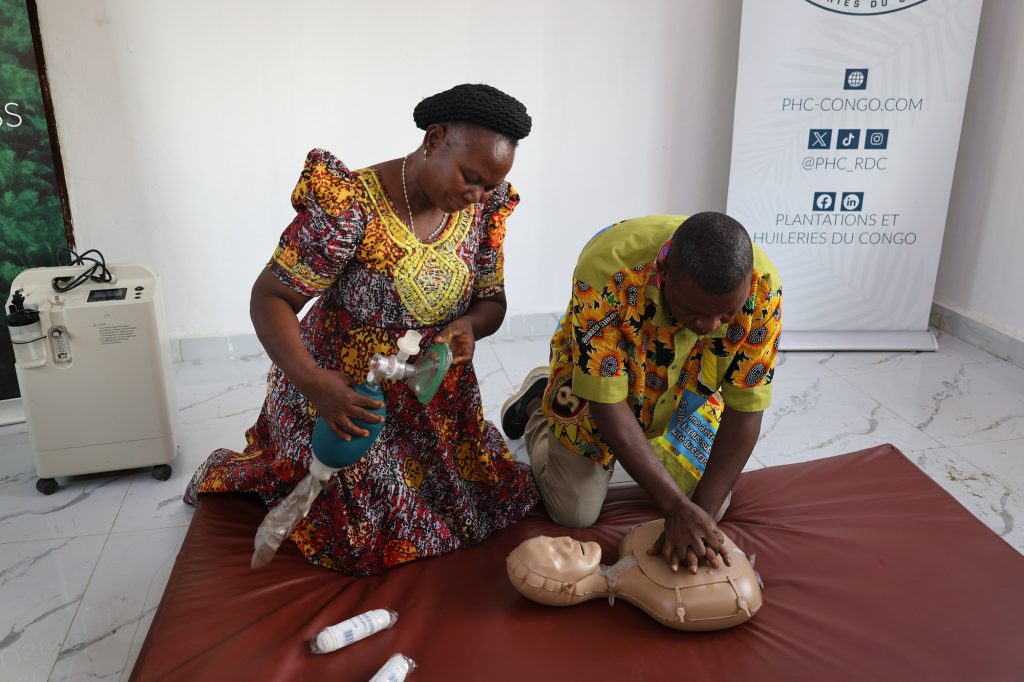
These practical training sessions focus on first aid, emergency medical management, and essential operational procedures that enable rapid, effective, and safe patient care. The objective is to strengthen the technical capacities of medical teams so they can better respond to critical situations, both within PHC hospitals and among surrounding communities that also benefit from the company’s healthcare services.
In areas that are often far from major urban centers, strengthening medical skills is an essential equaliser for sustainably improving the quality of care and reinforcing the health security of both workers and local communities.
“We operate in a rural environment where skills are sometimes limited. This training allows us to improve the care provided to patients, while also strengthening our hospital organization so that we can better manage critical situations in the future,” said Dr. Christian Sembali, Doctor at PHC Boteka Hospital.
Practical training tailored to field realities
The sessions are led by Dr. Abayomi Oluwakolade, a specialist in health systems, on behalf of Araya Advisory, an organization specialized in healthcare advisory and investment services.
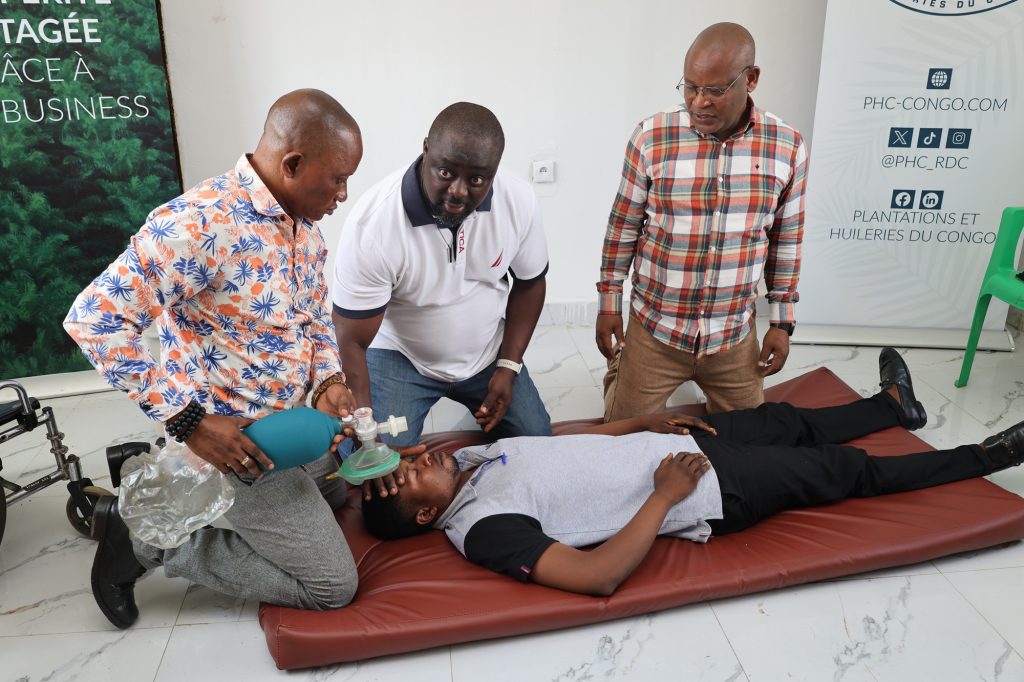
Participants are notably trained in the use of Automated External Defibrillators (AED), cardiopulmonary resuscitation (CPR), emergency patient evacuation, as well as inpatient and outpatient care management.
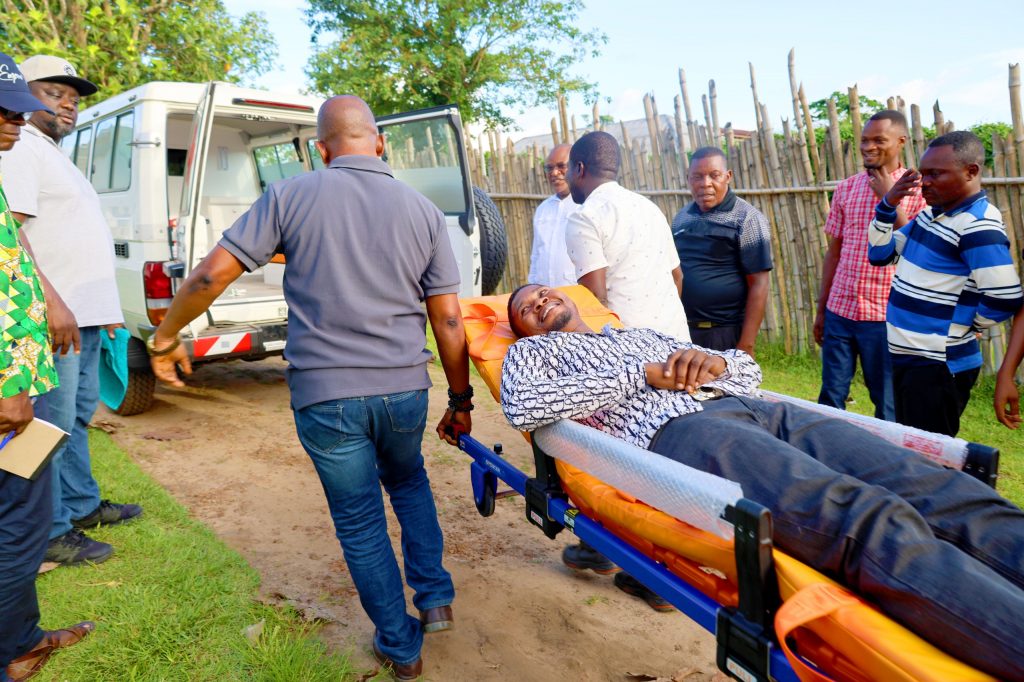
Beyond theoretical learning, the training emphasizes a practical and operational approach through realistic simulations, hands-on exercises, and field-based emergency scenarios, including the use of ambulances.
“The trainings are highly practical because they allow teams to immediately understand procedures and be prepared when emergency cases arise. The teams are attentive and highly motivated,” explained Dr. Abayomi Oluwakolade.
This practical approach directly addresses the realities faced daily by medical teams across PHC operational sites.
“Emergency situations are frequent in our operational areas, and what truly makes the difference is the quality of patient care. This training directly responds to that need through its practical approach adapted to field realities,” said Dr. Eric Binda, Chief Medical Officer at the Lokutu site.
A tangible impact for medical teams and local communities
For participants, this training represents an important opportunity to strengthen their skills in an environment where critical situations often require rapid and coordinated interventions.
Improved mastery of emergency procedures and medical protocols will help enhance patient care, reduce risks related to critical situations, and save more lives.
“We are very pleased with the training because we have gained additional knowledge and skills that we did not have before, and this will greatly help us in our nursing work,” said Pauline Yoka, nurse at PHC Boteka.
According to Dr. Charles Dilumueni, Medical Director of PHC hospitals, the impact of these trainings will be significant for both company employees and surrounding communities receiving care in PHC medical facilities.
“We believe that from now on, both PHC workers and surrounding communities will be safer because, in emergency situations, we will be able to provide effective patient care both in our health centers and hospitals,” he stated.
PHC Academy: a long-term investment in human capital
These training sessions are organized through PHC Academy, the internal program of Plantations et Huileries du Congo dedicated to skills development, employee professionalization, and capacity building across all operational sites of the company.
Through PHC Academy, the company implements technical, operational, and managerial training programs tailored to field realities and the needs of the various professions within PHC. These trainings notably cover agro-industrial operations, healthcare, occupational safety, maintenance, logistics, and support functions.
Between 2021 and 2025, more than 1,200 employees benefited from training through this program, demonstrating PHC’s commitment to continuously strengthening the skills of its teams and improving professional standards across the company.
Beyond technical skills development, PHC Academy also contributes to promoting a culture of performance, responsibility, and continuous improvement across the company’s operational sites.