In the Democratic Republic of Congo, at the heart of the Congo Basin, forest preservation has become a major global environmental challenge. In this regard, Plantations et Huileries du Congo (PHC) is developing an agricultural model based on a clear principle: planting and producing without deforestation.
This commitment is embedded in the company’s sustainable management policy, which guides all its field operations. Far from being a recent initiative, it has become a core pillar of PHC’s governance and is concretely reflected across all board.
A sustainable management policy based on the “zero deforestation” principle
Since 2017, PHC has implemented a strict policy prohibiting any conversion of natural forests into agricultural plantations. The principle of zero deforestation, enshrined in its sustainable management policy, serves as an operational rule guiding all land-use decisions.
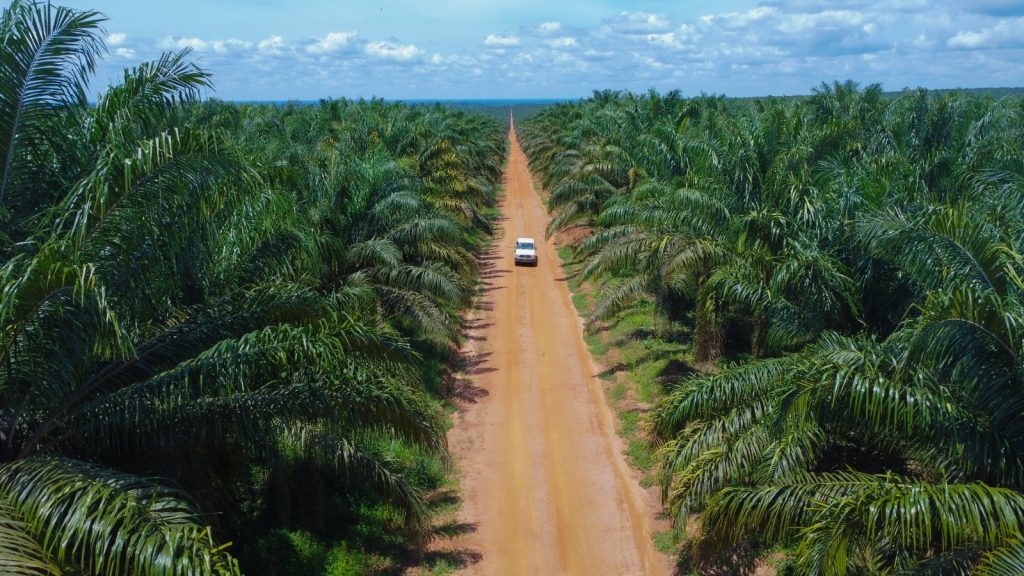
The company does not develop any new plantations at the expense of forests. All agricultural activities take place on previously used land or on areas that were once exploited and are now degraded.
According to Tonesse Eguba, ESG Director at PHC, this approach is strictly implemented on the ground:
“Zero deforestation is fully respected in all our operations. Our planting activities are strictly limited to previously used areas or former blocks. Forest areas within our concessions are fully preserved and are not part of our operational footprint.”
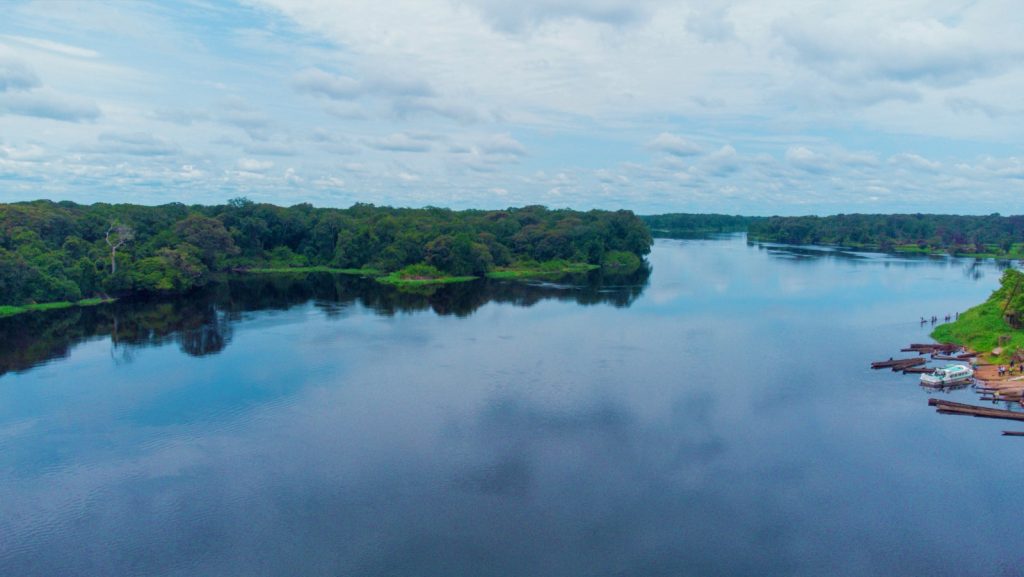
Across PHC’s concessions, which cover more than 100,000 hectares, nearly 30% of the land is used for oil palm cultivation, while around 70% consists of forests or areas reserved for local communities. These forests are not exploited and play a critical role in preserving biodiversity and maintaining ecological balance.
A responsible agricultural model: rehabilitating land to reduce pressure on forests
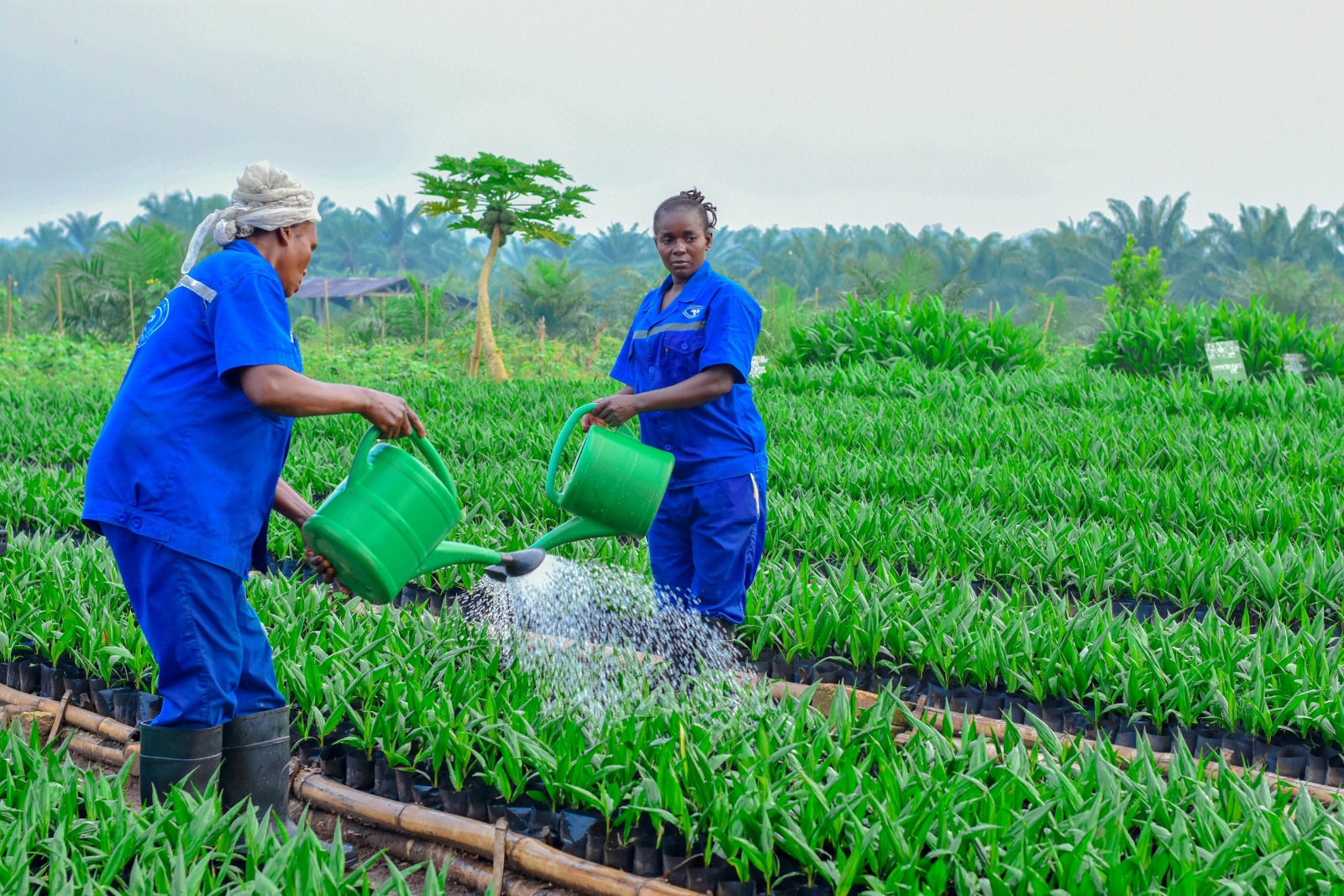
As part of its sustainable management policy, PHC prioritizes the rehabilitation of former plantations rather than expanding into new agricultural land. Some areas that were previously cultivated and later abandoned are gradually being brought back into production.
This approach allows the company to optimize the use of already transformed land while avoiding any expansion into natural forests. It is part of a broader strategy of sustainable intensification, where production growth is driven by improving existing assets rather than increasing cultivated land.
As highlighted by Tonesse Eguba:
“When we carry out replanting, we operate only on former blocks that were previously cultivated. These areas may have remained fallow for years, but they are part of our agricultural history. We never convert new forests for these operations.”
At the same time, PHC implements sustainable agricultural practices throughout the entire production cycle. The company focuses on continuous improvement of planting materials, more responsible use of fertilizers, and optimized soil management to preserve long-term fertility.
The recycling and valorisation of agricultural residues are also integrated into operations, helping to reduce waste and improve overall efficiency. Through these practices, PHC aims to balance agricultural performance with environmental responsibility by reducing its ecological footprint while maintaining high productivity.
Raising awareness among local communities on forest protection
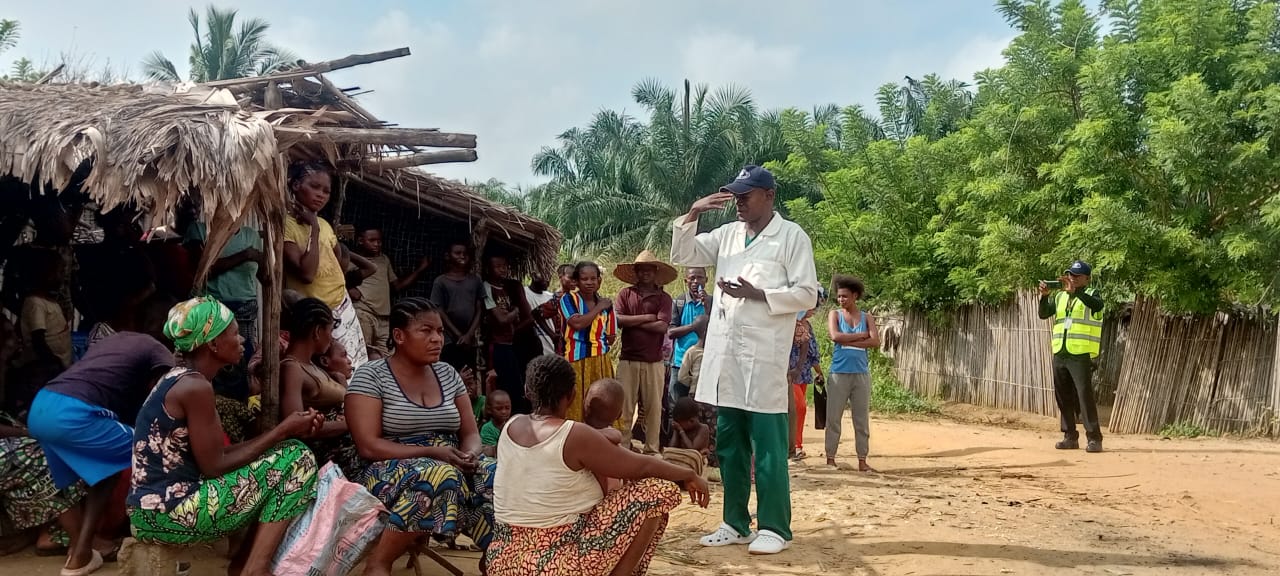
Beyond its agricultural operations, PHC places strong emphasis on engaging and raising awareness among local communities living near its concessions. The company regularly conducts environmental education and awareness campaigns to strengthen understanding of forest conservation issues.
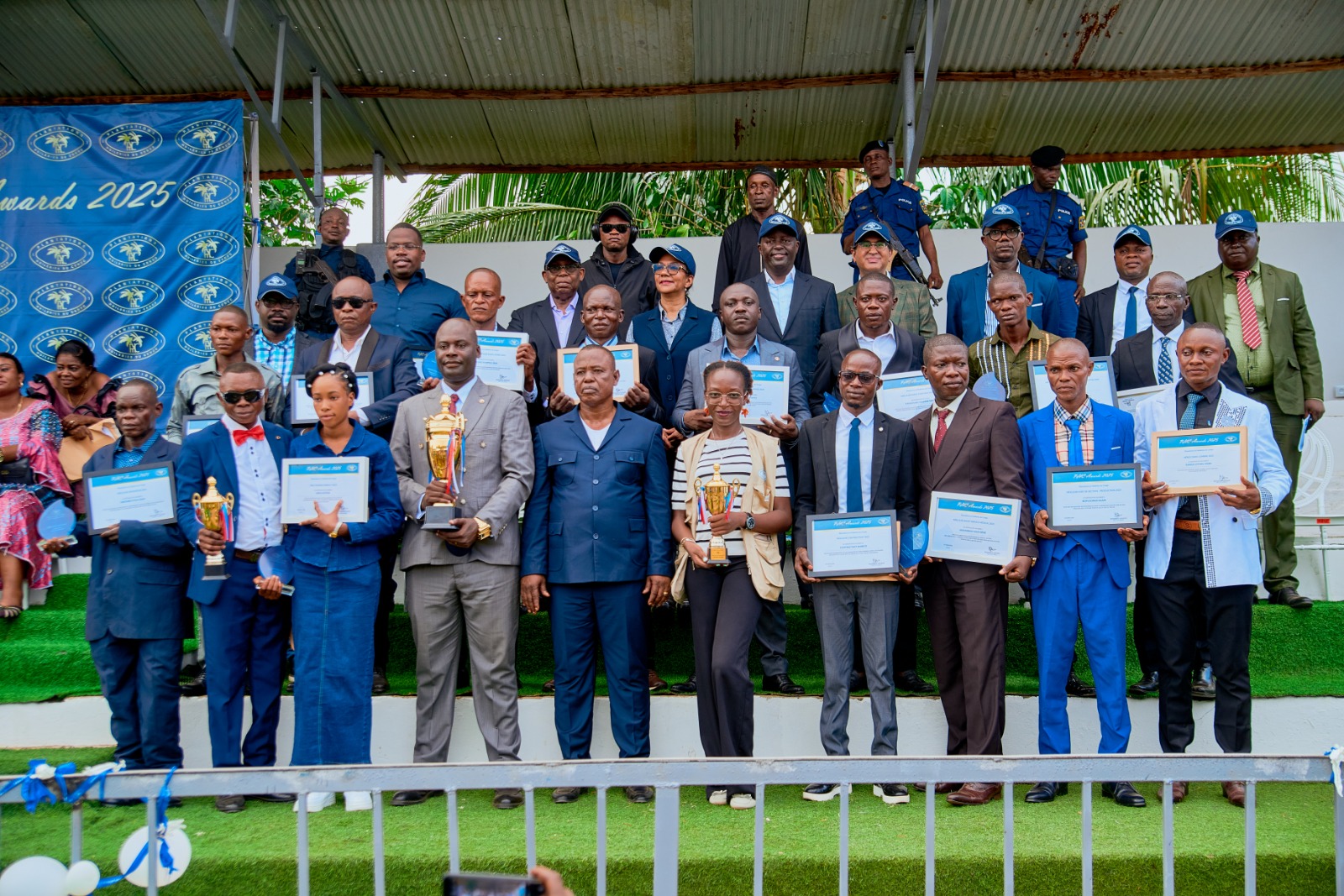
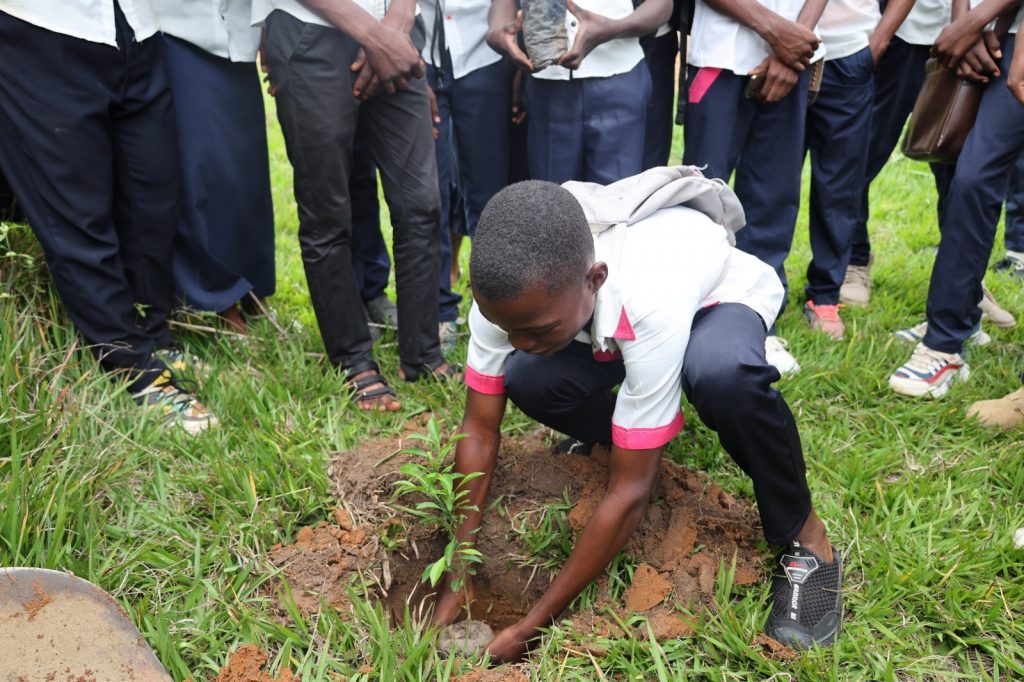
Each year, on International Forest Day celebrated on March 21, PHC organized activities in schools and villages to promote good environmental practices and encourage the preservation of natural resources.
These awareness efforts are complemented by tree-planting campaigns contributing to local reforestation efforts and environmental protection.
As noted by Tonesse Eguba:
“Environmental protection is not PHC’s responsibility alone—it also involves local communities. On this occasion, we organize awareness activities across our sites to highlight the importance of preserving forests. We also carry out symbolic tree-planting activities with school children.”
Community development projects providing sustainable economic alternatives
Recognizing that forest protection cannot be sustained without viable economic alternatives for local populations, PHC has been implementing community development projects since 2017 in areas surrounding its concessions.
These initiatives, mainly focused on agriculture, include food crop projects such as maize and rice cultivation, as well as market gardening activities. They aim to provide concrete alternatives to forest-dependent practices by helping communities diversify their income sources and strengthen their economic resilience.
Beyond providing seeds, PHC supports these initiatives through technical assistance, including training and tailored guidance, to ensure their effectiveness and long-term sustainability.
This approach reflects an integrated development model in which environmental protection is closely linked to improving local livelihoods.
As explained by Tonesse Eguba:
“Awareness is essential, but it is not enough on its own. To achieve real impact, we must provide concrete alternatives to communities. If we ask them to protect forests without offering other economic opportunities, the results will remain limited. That is why we develop income-generating projects outside forest exploitation.”
By integrating the principle of zero deforestation into its sustainable management policy, PHC is building a development model based on a balance between agricultural production, forest protection, and community engagement.
Through the combined efforts of land rehabilitation, sustainable agricultural practices, biodiversity protection, community awareness, and local development, the company aims to contribute to the preservation of the Congo Basin while supporting responsible economic growth.