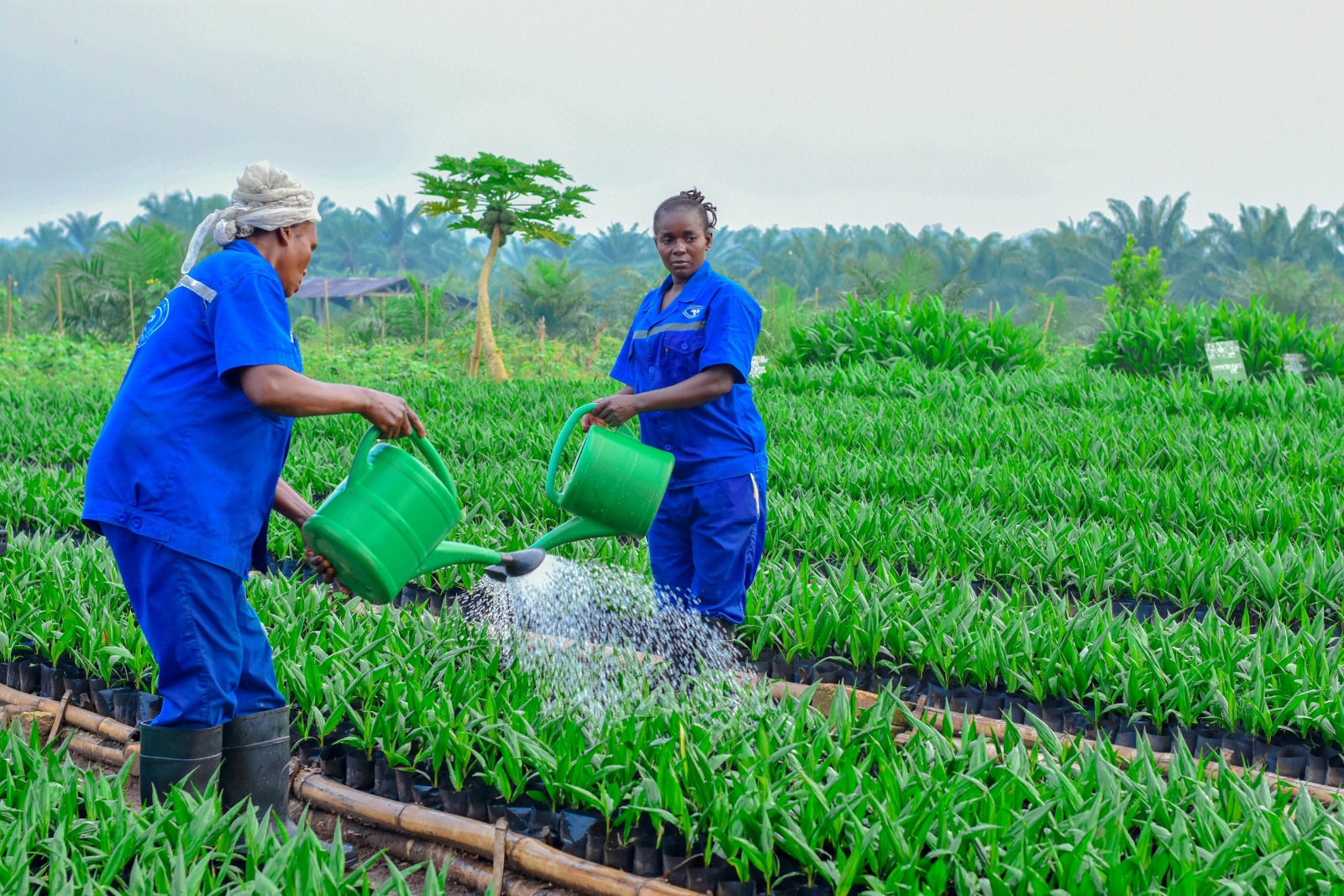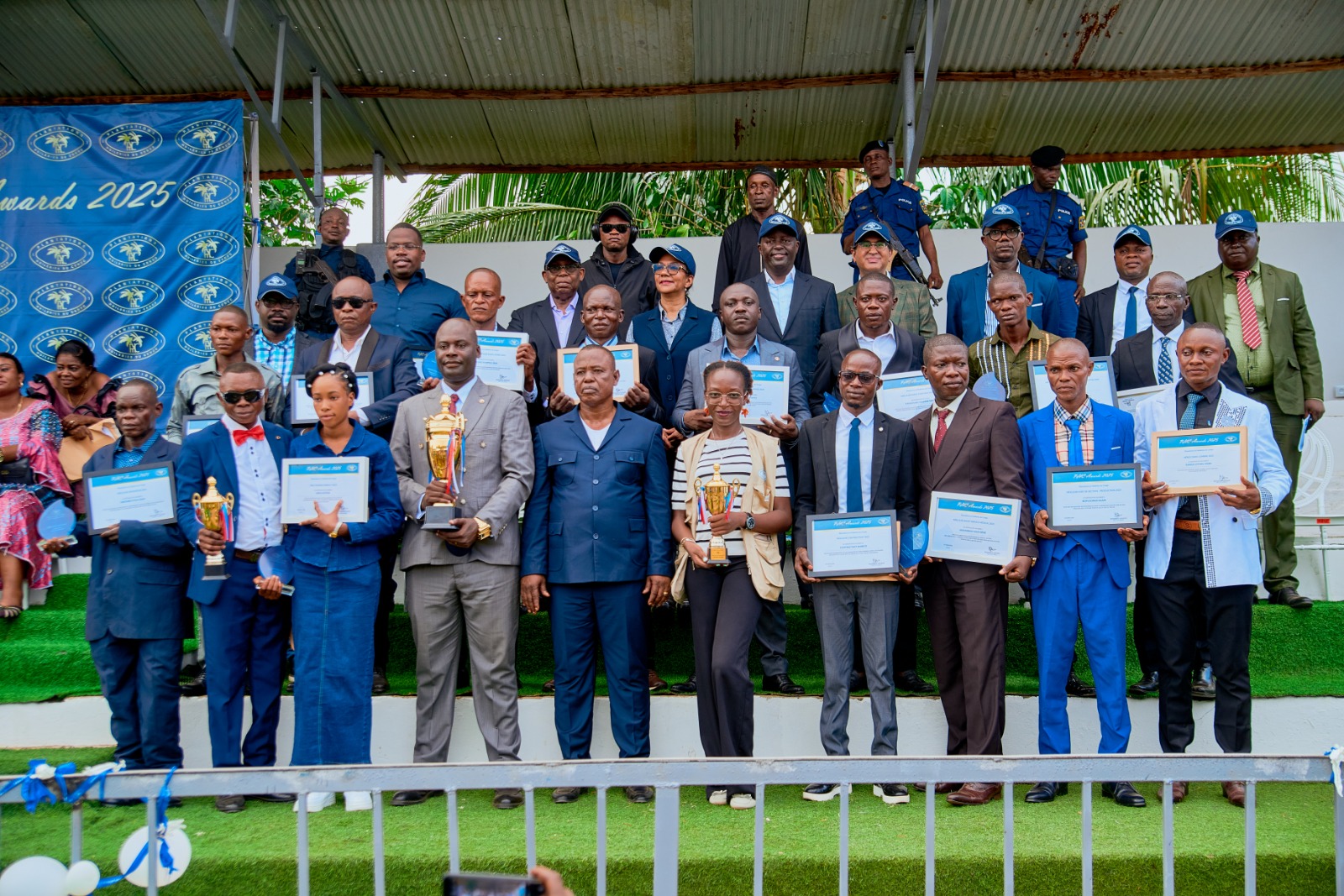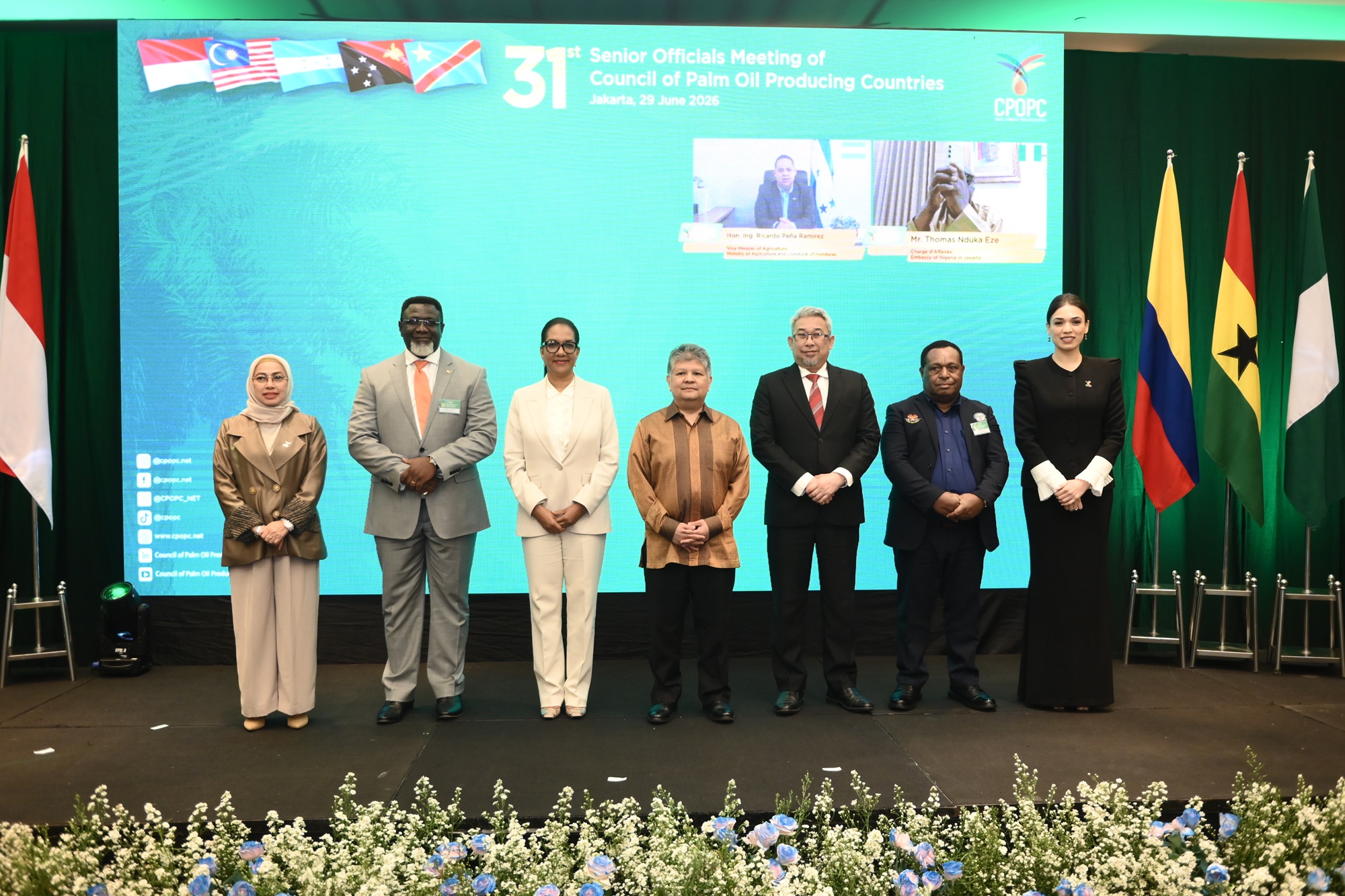
Jakarta, June 29, 2026 — Plantations et Huileries du Congo (PHC), the leading palm oil producer in the Democratic Republic of Congo, has reaffirmed its commitment to sustainable and inclusive palm oil value chain during the 31st Senior Officials Meeting (SOM31) of the Council of Palm Oil Producing Countries (CPOPC), held in Jakarta.
This high-level meeting brought together representatives from major producing countries to address strategic issues in the global palm oil sector, including sustainability, competitiveness, innovation, and international cooperation.
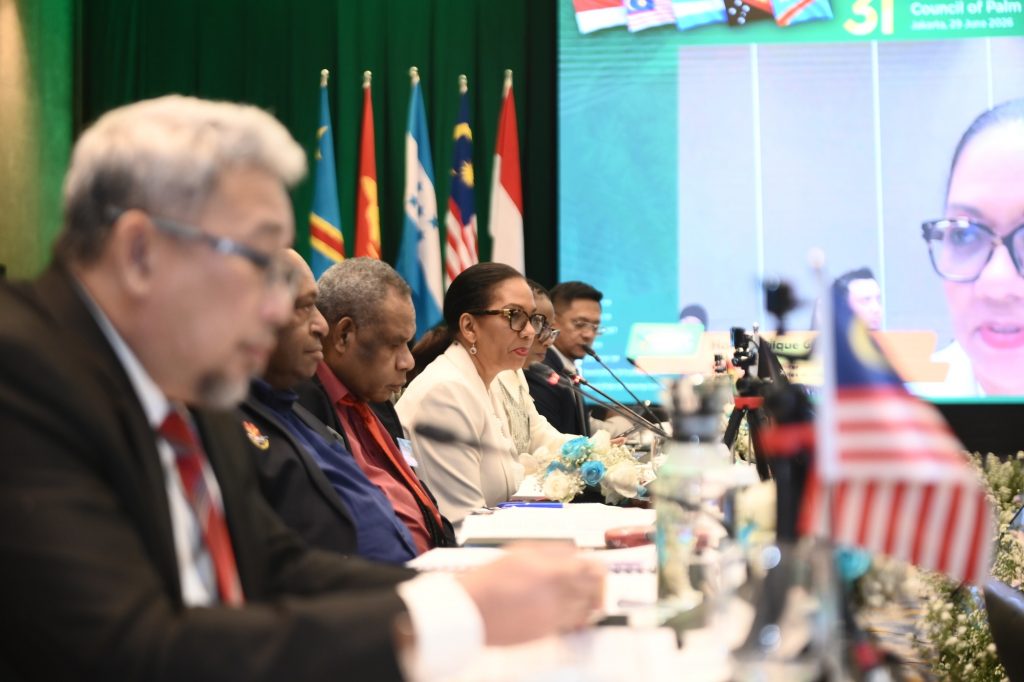
A strategic platform for sector governance
SOM31 serves as a key platform for dialogue between producing states and institutional stakeholders. It enables participants to monitor sector developments, identify opportunities, and strengthen technical and strategic cooperation.
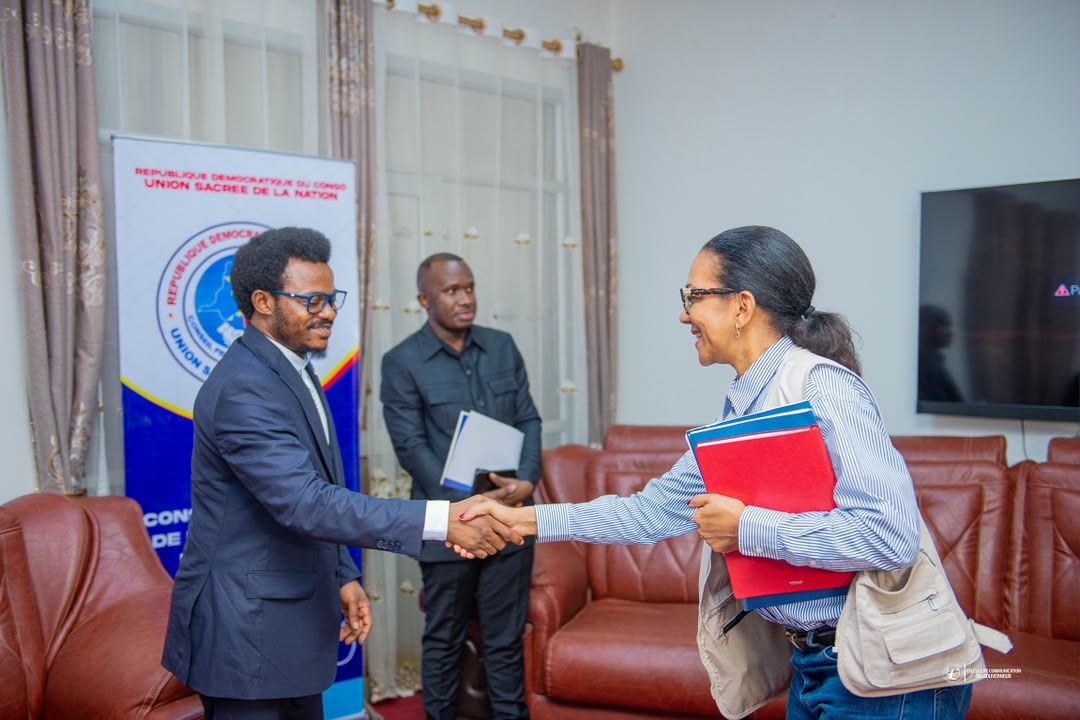
PHC’s participation, led by its Managing Director, Mrs. Monique Gieskes, reflects the growing role of the Democratic Republic of Congo in international discussions on the palm oil value chain.
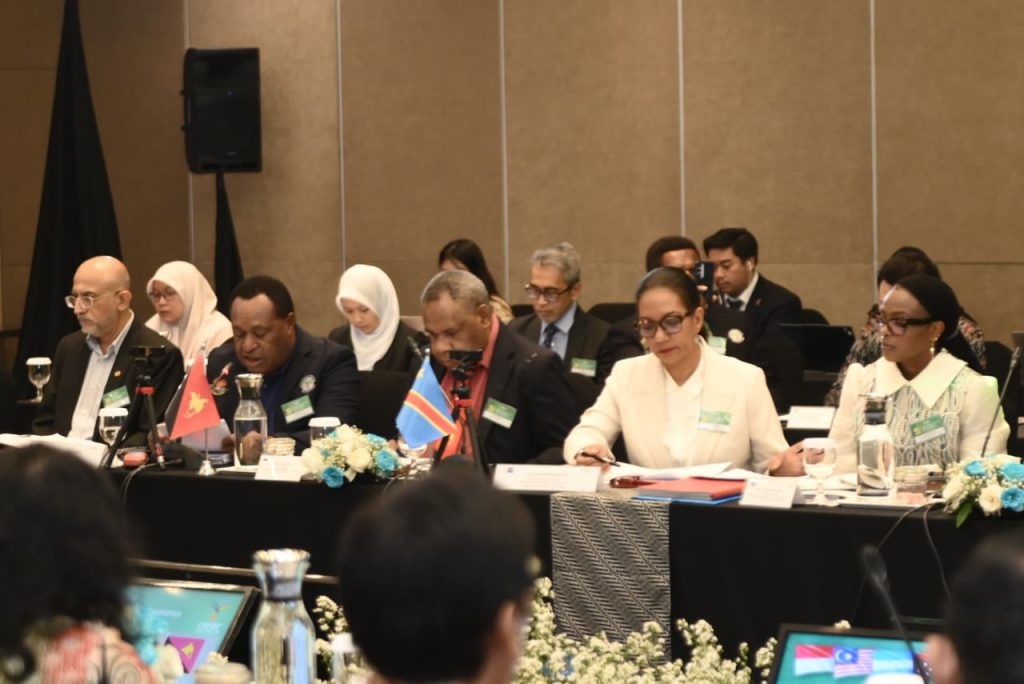
A vision centered on a sustainable and inclusive value chain
During the discussions, PHC shared its vision for a progressive and structured transformation of the palm oil sector in the DRC, built around five key priorities:
- the sustainable revitalization of national production;
- the development of a more integrated local value chain;
- the structured inclusion of smallholder farmers;
- the strengthening of skills and human capital;
- the gradual alignment with international sustainability standards.
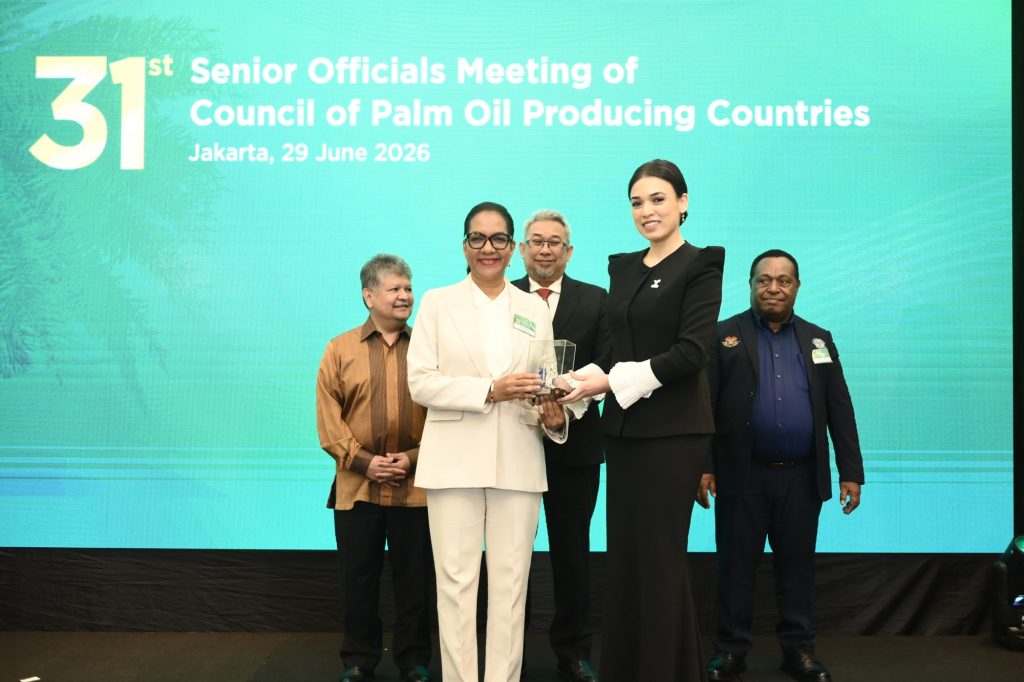
Smallholders at the heart of agricultural transformation
Additionally, PHC reaffirmed its commitment to integrating smallholder farmers into the value chain.
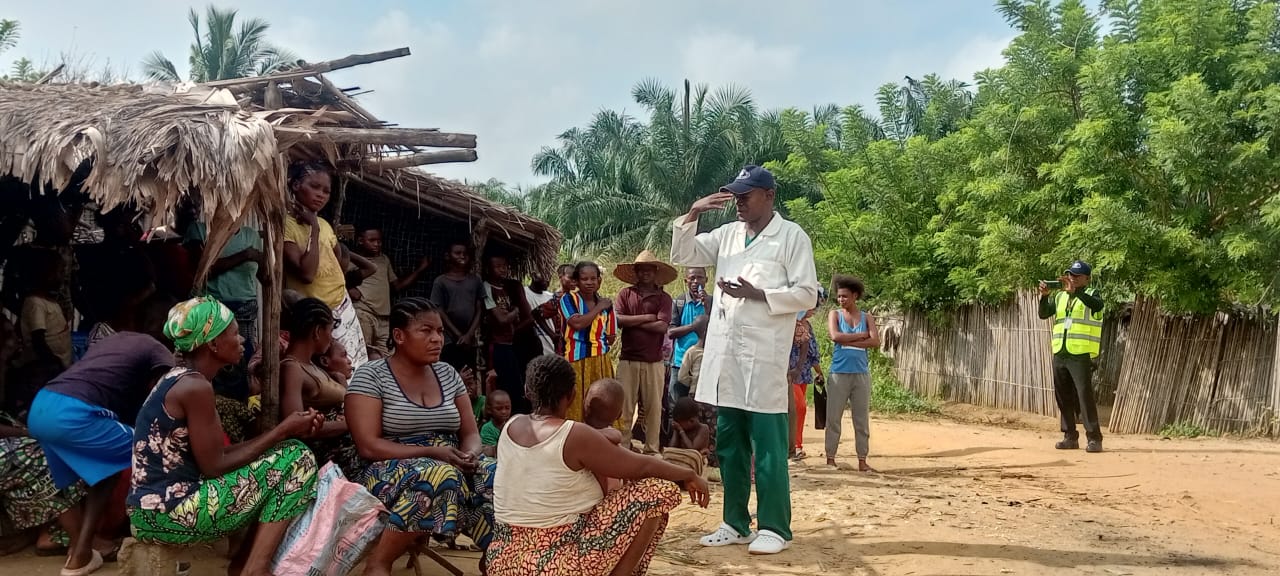
An initial field phase has already initiated a structured dynamic focused on training and organizing producers in the Mongala, Tshopo, and Équateur provinces, with growing interest from communities to join the program.
The approach is based on a progressive model:
- structuring and organizing producers;
- strengthening technical capacities;
- supporting the creation of cooperatives;
- improving access to agricultural inputs;
- providing continuous technical assistance and market access.
Within this model, PHC acts as a technical partner, a market access facilitator, and a driver of local economic development.
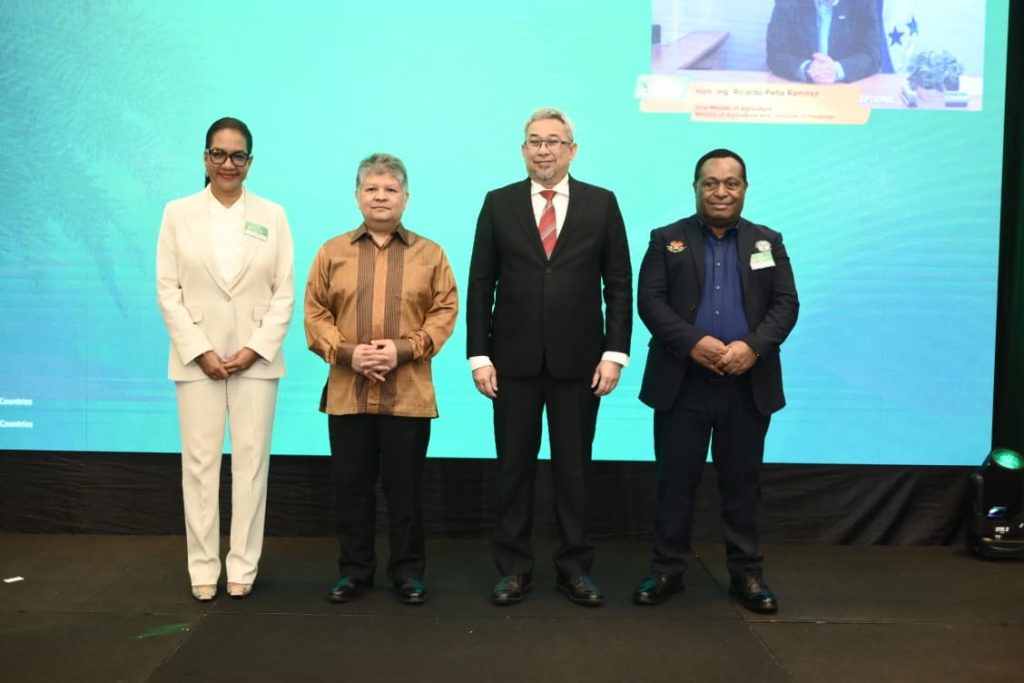
Women’s inclusion and social transformation
PHC continues to implement an active policy promoting gender equality and inclusion.
The company has recorded a significant increase in women’s representation in recent years, reflecting a gradual structural transformation.
The objective is to further strengthen this momentum by expanding women’s access to professional opportunities, including supervisory and management roles, while consolidating a safe, respectful, and inclusive working environment.
PHC is also reinforcing its mechanisms for prevention, protection, and employee well-being to ensure a sustainable and equitable workplace.
Rural development and territorial impact
The company actively contributes to improving living conditions in its areas of operation through investments in rural infrastructure, including roads, basic social services, and community facilities.
These initiatives support the opening of production areas and strengthen the economic integration of local territories.
Biodiversity and environmental protection
Through field-based initiatives, including the Bonobo Protection Project implemented by the PHC Foundation in partnership with CREF (Centre de Recherche en Écologie et Foresterie) and other partners, the company demonstrates an approach where conservation and agricultural development progress hand in hand.
These efforts reflect a long-term vision aimed at reconciling responsible production with the preservation of the Congo Basin ecosystems.
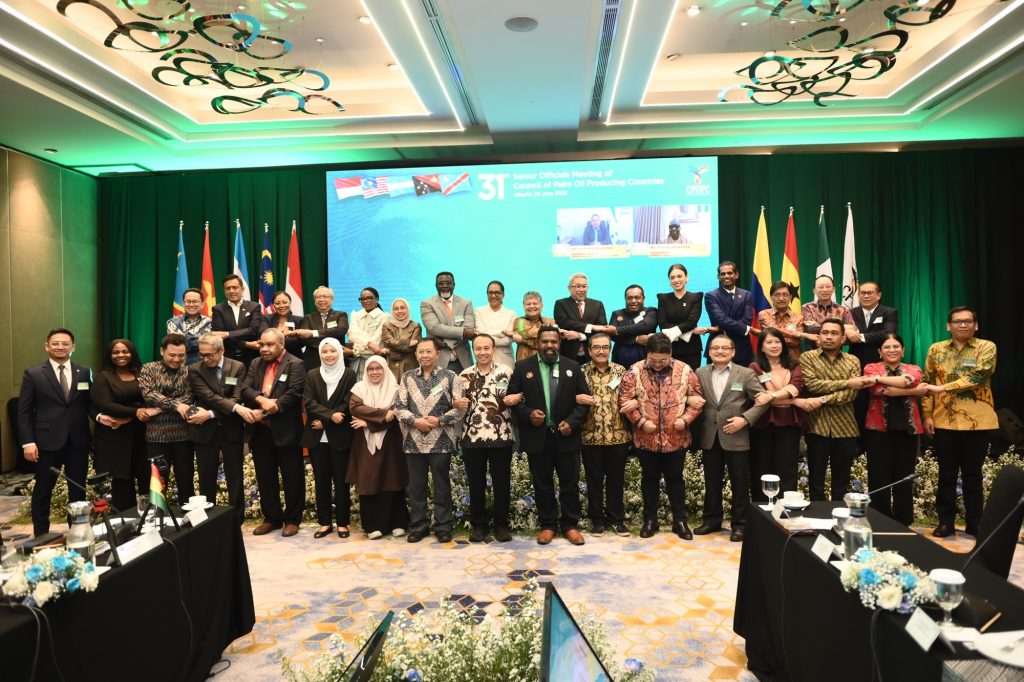
Strengthened international cooperation
PHC’s participation comes at a time marked by the recent accession of the DRC to the CPOPC, opening a new phase of integration into international discussions on the sector.
The company intends to continue playing an active role in knowledge sharing and capacity building among producing countries, in support of a more sustainable and inclusive palm oil industry.
About PHC
Plantations et Huileries du Congo (PHC) is the leading agro-industrial palm oil company in the Democratic Republic of Congo. With operations across the provinces of Tshopo, Mongala, and Équateur, PHC is committed to sustainable, responsible, and inclusive production that benefits local communities and supports national economic development.
Since 2021, under the leadership of its shareholder Kuramo Capital Management and a Congolese executive team, PHC has undergone a deep operational and social transformation. This strategic shift has enabled the company to triple its palm oil production, significantly reduce operational costs, and strengthen overall performance. Today, PHC employs more than 11,000 people, making it the largest private employer in the country, while steadily improving female representation across its workforce.
Beyond its industrial activities, PHC manages a wide network of social infrastructure, including 4 hospitals, 3 health centers, and 16 dispensaries. The company also invests heavily in basic community infrastructure such as schools, clean water boreholes, roads, bridges, and ports. These investments help to reduce lantations et Huileries du Congo (PHC) is the leading agro-industrial palm oil company in the Democratic Republic of Congo. With operations across the provinces of Tshopo, Mongala, and Équateur, PHC is committed to sustainable, responsible, and inclusive production that benefits local communities and supports national economic development.
In addition, PHC is strongly committed to human capital development through the PHC Academy, which provides continuous training for employees and strengthens technical and managerial skills. These efforts contribute to the modernization of Congolese agriculture and enhance the competitiveness of the national agro-industrial sector.